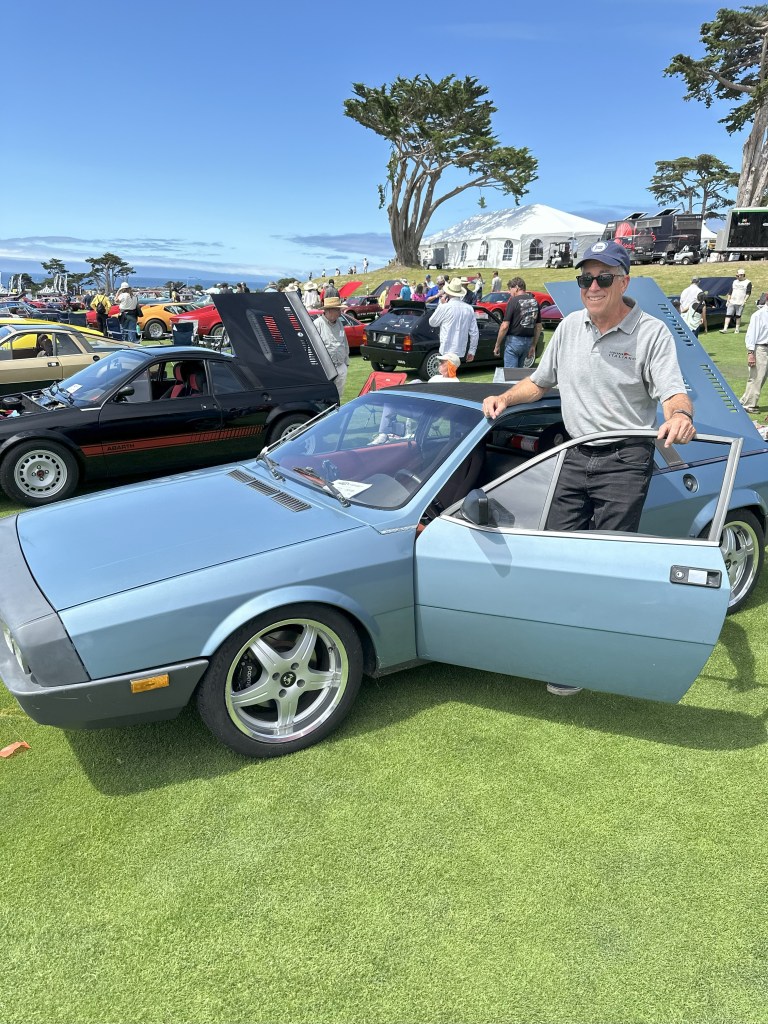
Well, did I make it to Concorso?

Yes!

Still dealing with some small leaks, but the car got me there and back home again. The biggest problem was losing reverse gear while in the Monterey area – the transaxle just would not engage. I verified that the problem is internal to the transaxle, unfortunately. So that’s coming out soon for inspection/repair. Apparenly others have had the same problem with that transaxle.

I ordered a new radiator to replace the JB Welded one that dumped coolant the day I was planning to leave for Concorso. I have some diagnostic work still to do on the cooling system. The temperature stayed stable during all my driving including sitting in traffic, but testing here at home on a hot day the engine would get excessively hot when idling despite my high CFM cooling fans.

Aside from installing the trim (missing door seals make for a noisy ride) and fixing a few leaks, I need to make some mods to the intake system. At full throttle the intake noise is a bit overwhelming.

Concorso or Bust!

Well, here we are, 10 years after my last update! Apologies to those who reached out and got no response. If you have a question AND want a response, best to try me at khaven (at) comcast.net.

Like many projects, this one got stalled due to competing life events. But now I’m back at it, working on it over the past couple of months with a goal of showing at Concorso Italiano in Monterey August 16th, which is tomorrow! 4 days ago the car made its maiden voyage to our campsite near Monterey, mostly without incident, although now that I’m here, reverse gear is not engaging. Will make for an interesting day tomorrow at the show.

I plan to reorganize this site to make the posts more accessible, but meanwhile here’s a quick summary of the recent work to get the car back on the road:

  1. Since it’s been sitting for 10 years, I did some cleaning and touch up paint, along with engine maintenance including injectors, plugs, timing belt, gaskets, etc.
  2. I made a new dashboard that eliminated the EGT, A/F ratio and boost gauges since the car is now naturally aspirated. This also freed up room for an LCD display for Apple Car Play (because why not?).
  3. I remade the SS coolant pipes that used to go up and over the fuel tank, since the height proved problematic for coolant bleeding. Now they run in front of the rear crossmember and up to the engine, which also should reduce flow restriction and improve coolant flow.
  4. I changed all the lighting to LEDs.

My aluminum radiator developed a leak just as I was about to head to Monterey, but a good coating of JB Weld seems to be working for now. Some used 5 spoke 16″ wheels I bought have the correct 4×98 lug pattern but are not hub centric, which made for a rough ride since I mounted them without noticing that little detail.

Tomorrow I head off to Concorso, hope to see some of you there!

Getting There…

I reached a big milestone last weekend – the car moved under its own power!  I drove it out into the driveway and let the engine run for a while.  My test was aborted due to a fuel return line leak (fixed now), but it felt good to actually have the car out of the garage and in the driveway with the engine running.  It sounds great, love the V6 idle.

I had a problem with my clutch since I had a 7/8″ master clutch cylinder installed in my Tilton pedal assembly.  Clutch pedal force with this combination was brutal, so I ordered a 5/8″ master cylinder and installed it over the weekend.  It now feels like a normal car.  There is still some air in the brake lines, but the brakes work, as does the parking brake.

There is a rats nest of wiring still to be connected, and an interior to be reinstalled, but I feel like I’m well over the hump and that the end is in sight!

img_7820

Keeping Cool

The cooling system design was a LOT harder than I anticipated.  How hard could it be, right?  Because I was determined to stay with the stock fuel tank location, I found that it was directly in the way of the coolant route from engine to underbody coolant pipes.  One thing I learned from past swaps is that you also want to leave room for your hand to get in to spaces between various components in the engine compartment.  Otherwise, you’ll be swearing at yourself when you’re trying to service something installed long ago that’s now totally inaccessible.

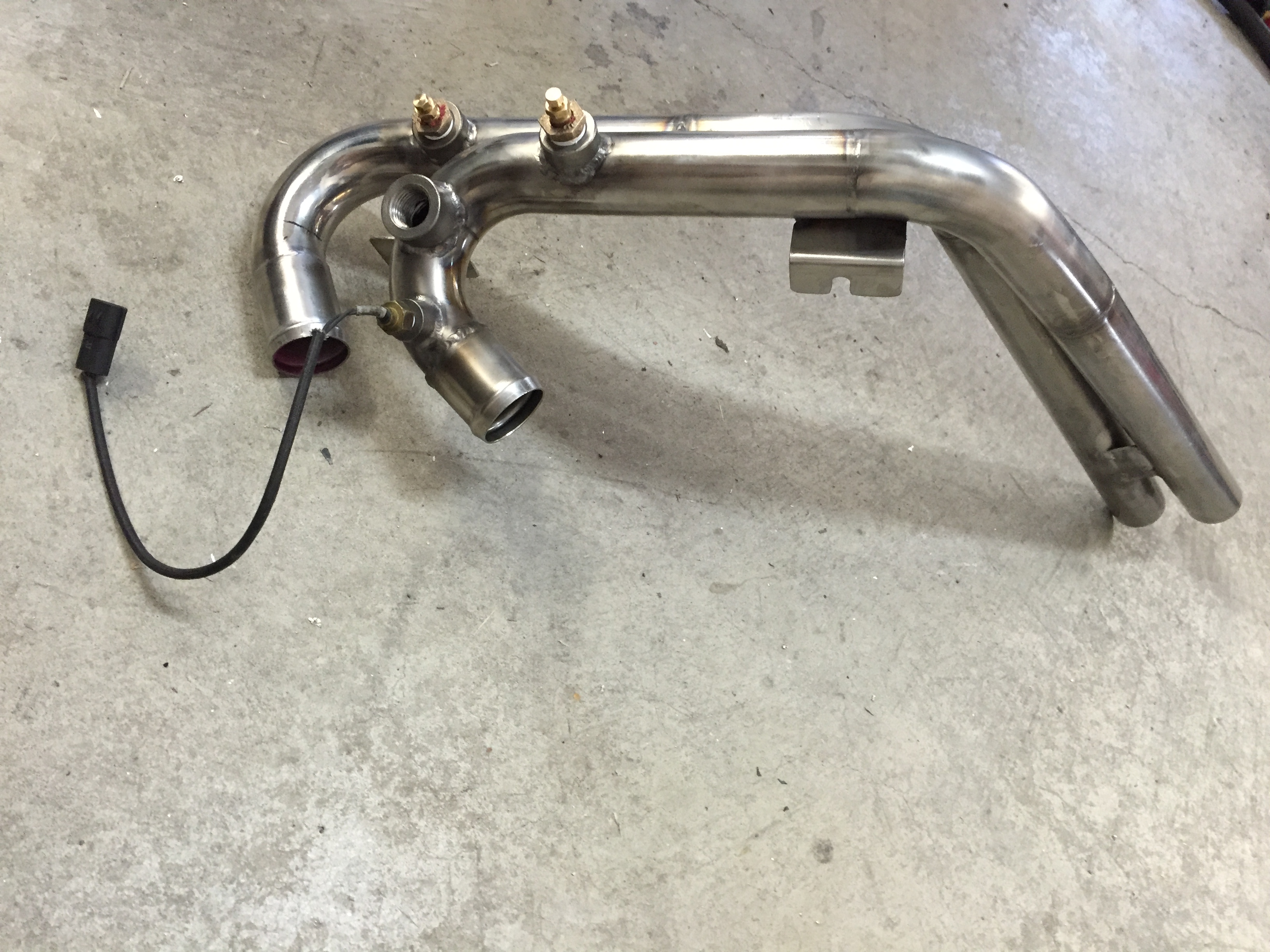
My solution was to give the pipes a detour over the gas tank then back to the engine, to give access to the clutch cable area.  I created a pair of SS extension pipes, which also served as mounting points for the dash gauges (water temp gauge and overheat light sensors) as well as bleed valves.

img_7751

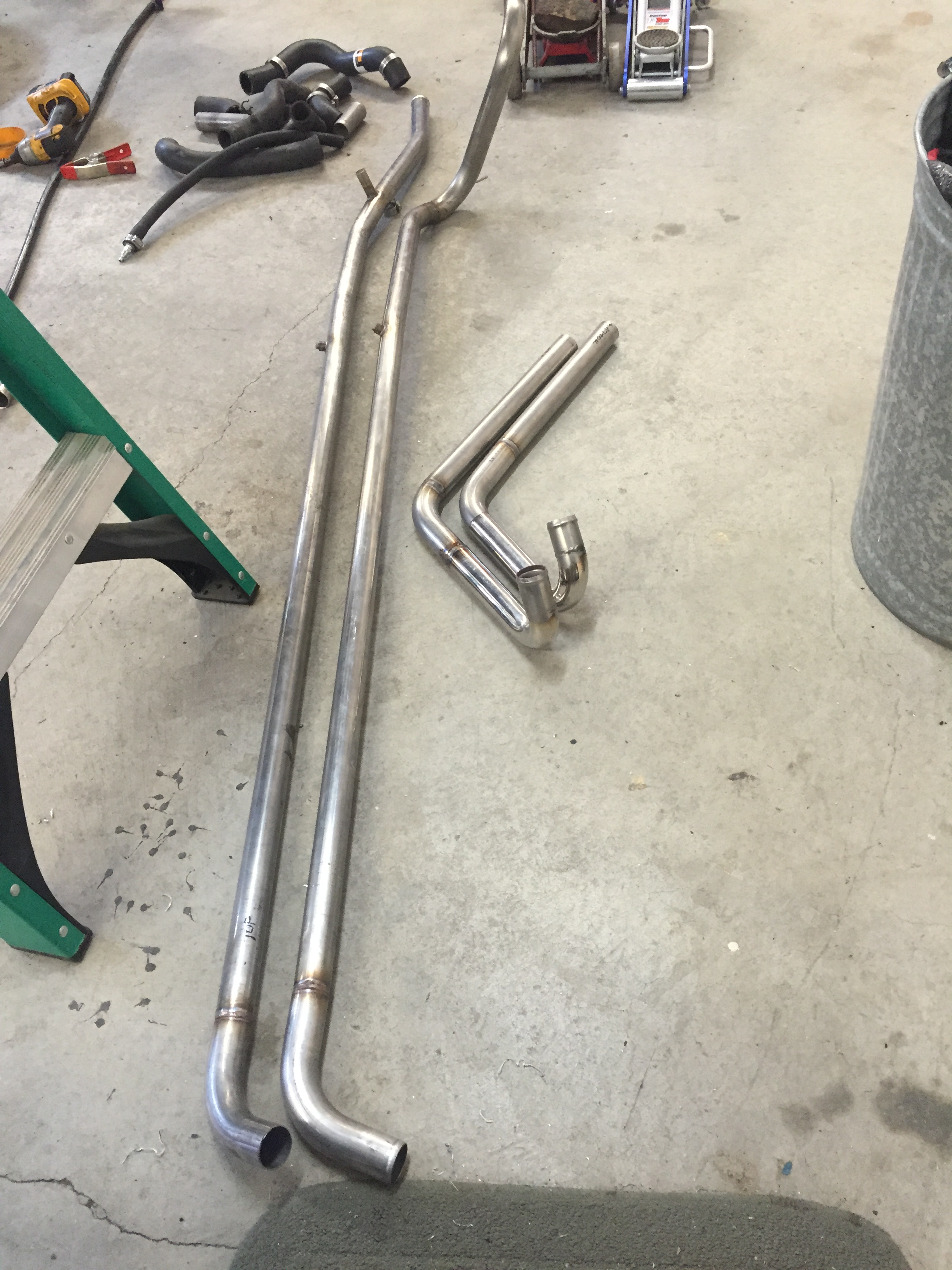
Below are stock reproduction SS pipes that I ordered from a race shop back East, modified to fit my application, with the pipes above before I added the fittings.

img_7745

These two sets connect together with straight hose along the firewall.  For the connections to the engine, I bend up brake line to match the centerline of the hose path, and head to my local Napa parts store and comb through their stock area looking for radiator hose that matches my application.  It gets really difficult when both hose ends are different diameter, but I lucked out and found a hose that worked pretty well.

I added a fitting at the front of the coolant pipe that connects to the top radiator for the heater, saves a second run of heater pipe.  I then repurposed that heater connection on the engine for the coolant overflow tank.

Breathe Easy

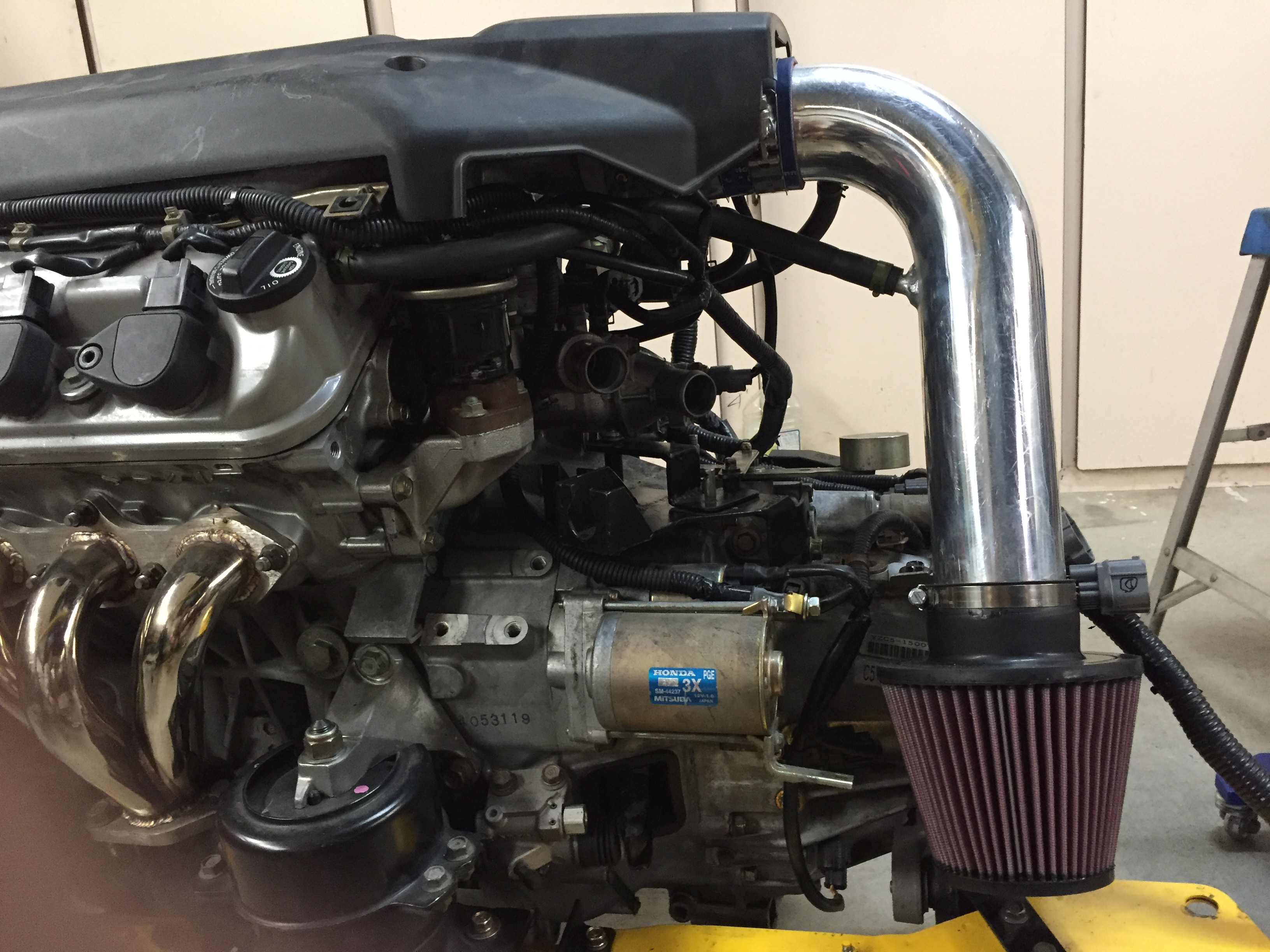
The intake manifold was one of the easier parts of this project.  A 3″ aluminum 90 degree bend, a K&N filter, and a couple of hose fittings and a mounting bracket welded on, and done!  Picture is looking at the front side of the engine.

img_7728

Lube Job

The stock location of the Acura oil filter ended up too close to the arc of travel of the rear suspension arm for my comfort, so a remote filter setup was called for.  This also gave me a place to add oil warning light and oil pressure sensors for my dash gauges, as well as a future oil cooler should it be needed.  I couldn’t find an aftermarket kit that solved the clearance problem, so I bought a used filter housing assembly, hacked it up, and TIG welded female aluminum NPT fittings for remote hose connections.  It’s a bit tricky as the internal passages are convoluted – it’s a 3-D problem to work out.  You also need to control the welding heat so that you don’t distort the precision VTEC piston bore (AMHIK!).  I don’t like using sharp 90 degree fittings, but that’s all that will fit in the space between crank pulley, chassis frame and suspension.  I did drill them out to reduce the internal restriction at the intersection of the bores.

Another challenge with this swap is that the oil filler cap ends up in an inaccessible position next to the firewall.  Rather than cut a hole through the firewall and add oil from inside the passenger compartment (yuk!), I cut a 2″ hole in the rear cam cover and welded on a filler cap and tube that I salvaged from a dry sump oil reservoir.  The only available hole location cuts into the PCV blowby chamber, so a hole saw works best here for allowing retention of the chamber wall geometry.080

Finally, I added an additional bend to the dipstick tube to make it easier to access.  083

I took the opportunity while the engine was out to replace the timing belt, bearings, tensioner and water pump, since the maintenance history of the car was unknown.  This is an easy job when you have full access to everything.  It paid off for me as well, since I discovered that the rear cam timing was retarded by one tooth!  Sloppy repair work by someone before me…

All Fired Up!

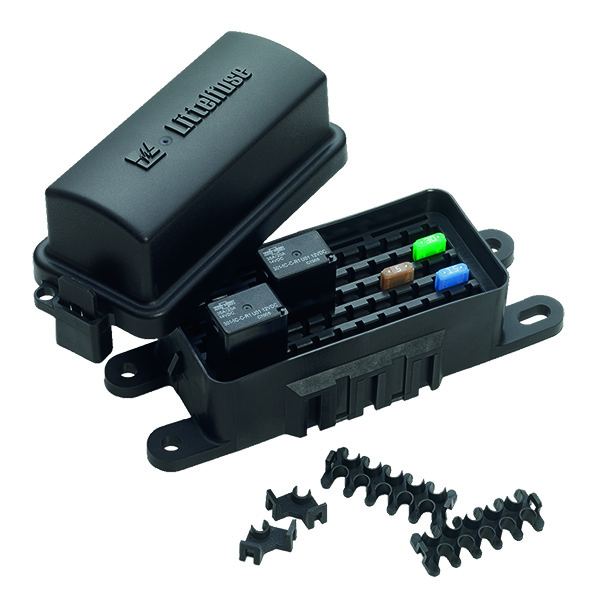
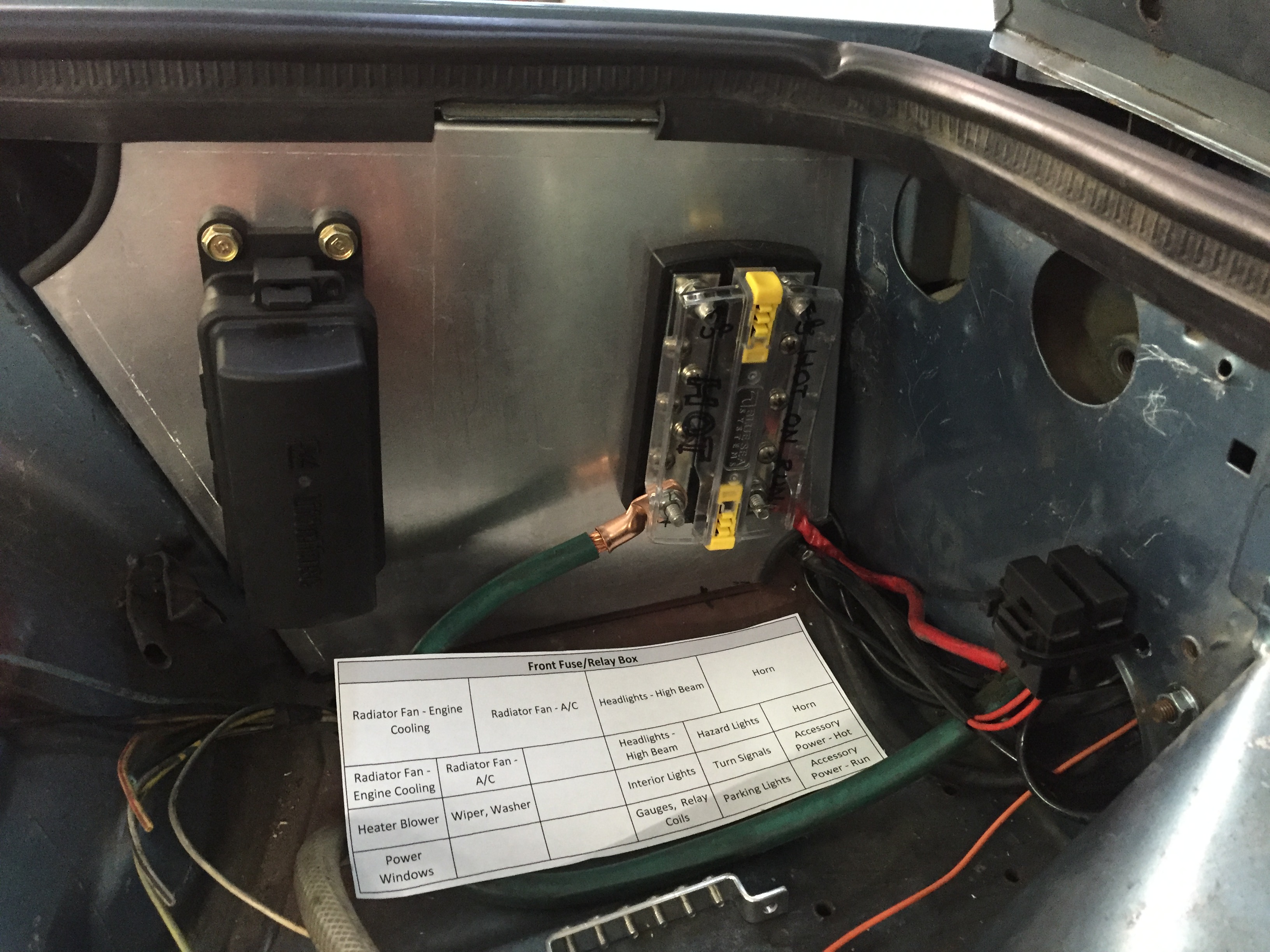
The wiring is progressing.  The front fuse/relay panel is mostly connected, see below.  I labeled all the wiring for future reference.  The Littelfuse fuse/relay box works great, highly recommended!  With good wiring, fuses and connections, the electricals are working better than ever.  The electric windows never went up and down so fast, just like a real car now!

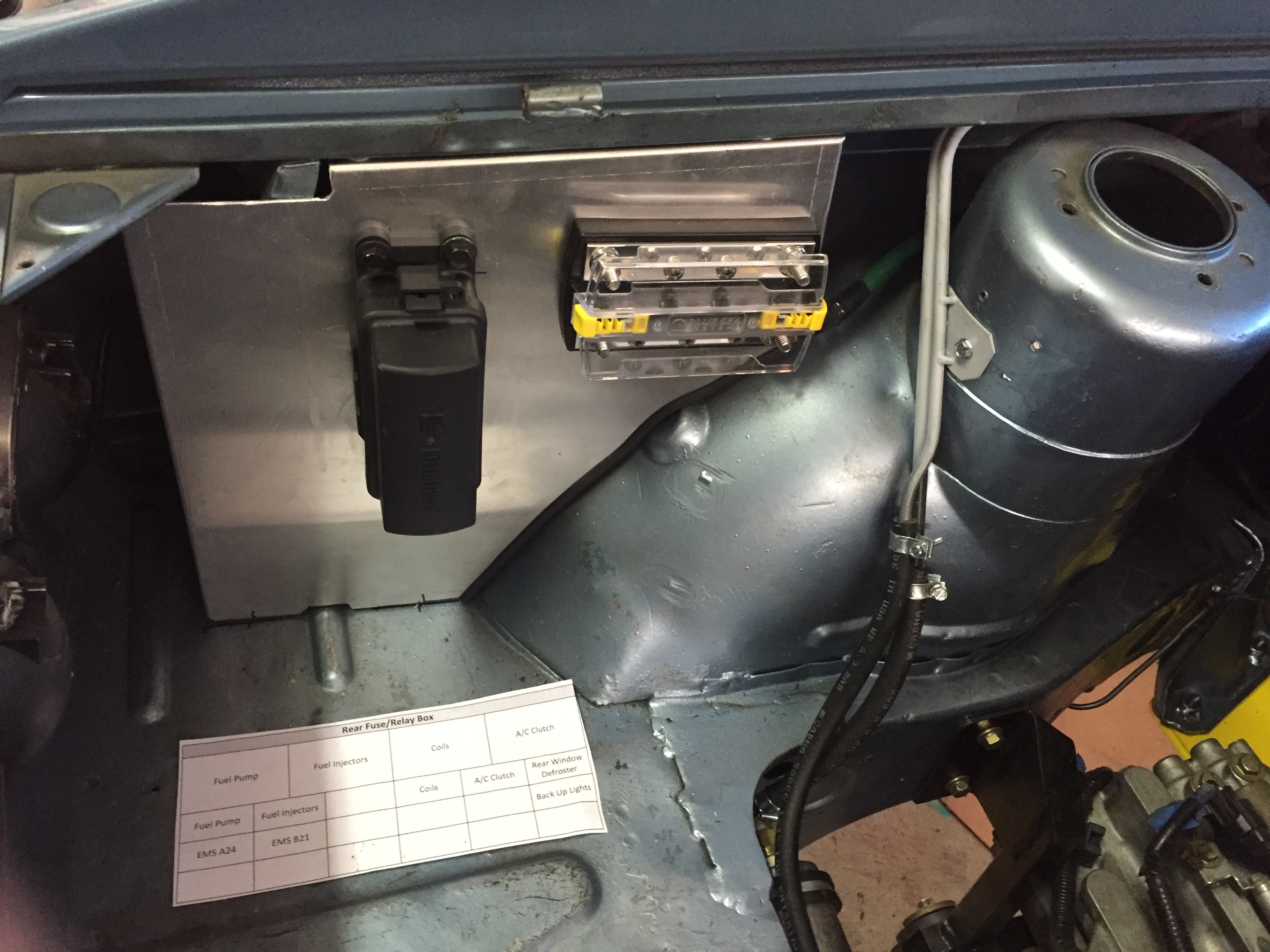
At the back, I’ve finally finished deciphering, disassembling, and grafting the engine wiring harnesses into my rear fuse/relay panel.  It looks simple but there’s a lot going on behind the panel.  For now I’m retaining the original Acura ECM, which is located directly behind the panel.  AEM makes a programmable ECM which might be a future upgrade.  On the right is the connection diagram I made for the front and rear panels.

After double all checking the connections, I turned the ignition key and it started!  The engine was hunting pretty badly at idle.  I did some web research, and apparently the IAC is notorious for sticking on this engine.  A couple of whacks with a screwdriver handle fixed it.  There is still a lot to do before the car is back on the road, but today felt like a milestone.


Wires Wires Wires

There’s a scary rats nest of wires behind the dashboard as well as throughout the car.  If you follow the wiring path, you’ll find many wires take several detours on the way to their destination.  That’s fun if you’re talking about back roads and an afternoon drive, but not what you want for an efficient electrical system.

040

Given also that I need more/different wiring to handle all my modifications, and that the original wiring (not to mention fuses) were barely adequate for a stock vehicle, I elected to rewire the car from scratch.  I started by running 2/0 welding cable from the battery to the starter, and created two new wiring panels, one at the front and one at the rear.  This reduces the amount of front-to-rear wiring, and cuts down the rats nest of wiring from trying to run all circuits in the car from a single panel.  I re-purposed the original starter cable to feed each panel.  Each panel houses a Littelfuse universal style waterproof relay/fuse box that uses Metri Pack 280 style connectors and can be configured for a mix of blade type fuses and compatible relays.

HWB60 001
HWB60 001

I’m using dual circuit Blue Sea junction boxes to feed circuits that are 1) always hot and 2) hot on run.  A separate relay (not shown) energizes the hot on run circuit to remove the current load from the ignition switch.  The front panel (below) will run radiator fans, wipers, lighting, horn, windows, heater blower and accessories.  My primary headlights are HID and run off their own controllers.

042

The rear junction box circuits are 1) always hot and 2) hot on run plus start.  The rear panel runs the fuel pump, coils, injectors and ECM.  I’m using the stock Acura ECM for now, but AEM makes a nice aftermarket unit that I plan as a future upgrade.

036

Stop it!

Brakes – one of the major weak points of the Scorpion.  Power brakes on the front wheels only (where there is no weight), what were they thinking !?!  Plus 9″ diameter non-vented rotors are totally inadequate for any significant horsepower boost.  I was previously running 10″ vented rotors from a 2nd series Toyota MR2 Turbo at all 4 corners with reasonably good results, even at demanding tracks like Laguna Seca.  For better pedal feel and adjustability, I’ve swapped out the original brake & clutch pedal assemblies with a Tilton pedal assembly, featuring dual master cylinders and a balance bar which allows front/rear brake proportioning.

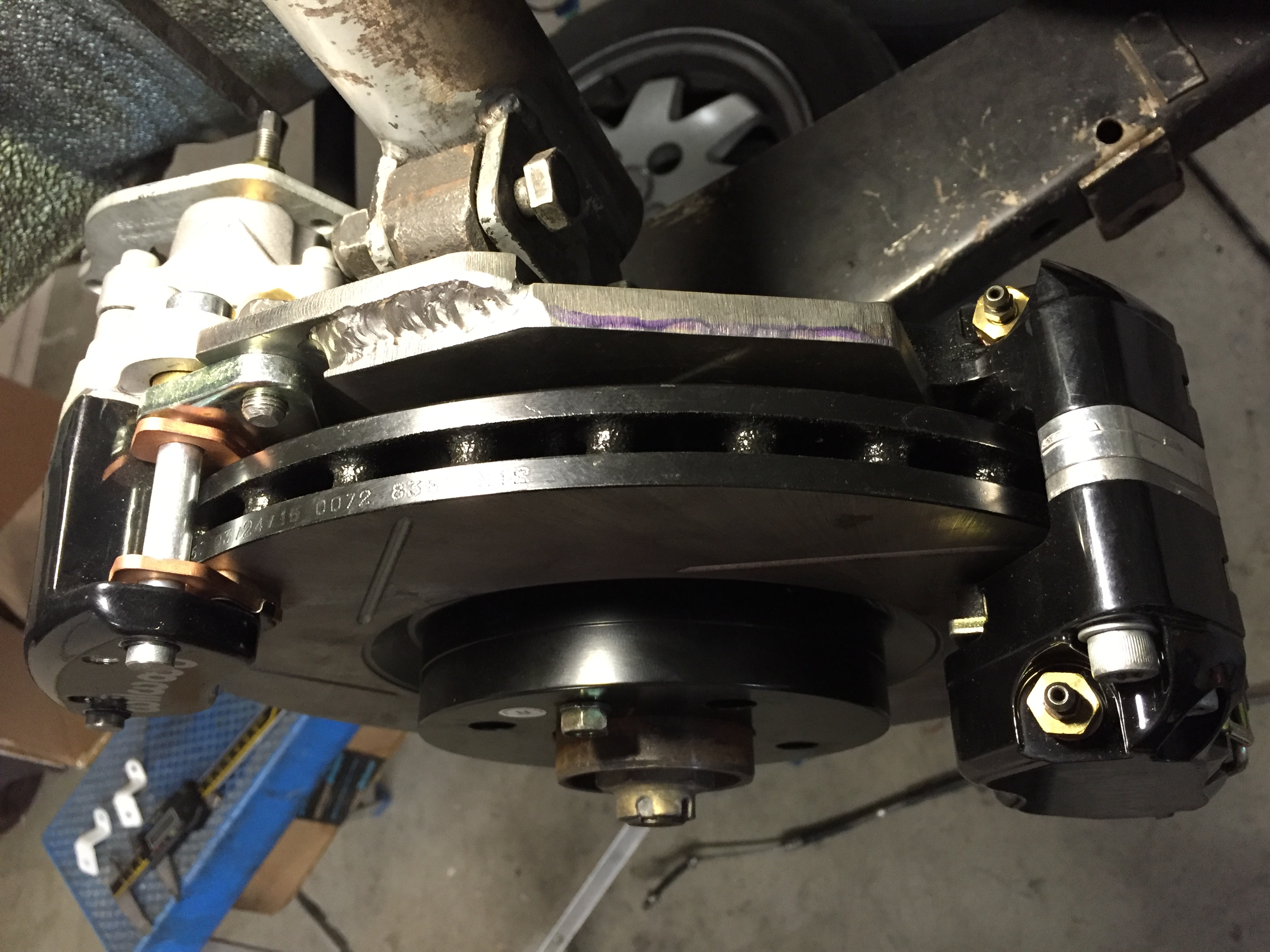
To further improve heat capacity and control, I started a search for uprated rotors and calipers.  As an educated guess, I bought a Stoptech front rotor for  a current generation FIAT 500 Abarth, and found that it fits the Scorpion hub perfectly!  I will be using these (11.1″ directionally vented) at all 4 corners, along with Wilwood 4-pot calipers (rear-heavy cars like the Scorpion can take advantage of large brakes at the rear).  Wilwood makes a small mechanically operated parking brake caliper, which solves one of the problems when fitting racing brakes on a car that sees street duty.  I had to add a spacer to the parking brake since it was designed for a slightly thinner rotor.  The rear caliper bracket is shown below.


012

September 2016 update:

Shopping for 16″ & 17″ wheels to fit the new brakes, and not finding anything I like so far.  Is is just me, or are new wheels all over-the-top complicated?  I want something that complements the Scorpion styling and isn’t trying to steal all the thunder.  Plus, a wheel that can be cleaned in minutes, not 10’s of minutes or more.  Just for fun, I mounted my 15″ Exip track wheels on the car, and was amazed to find that they fit!  The clearance to the wheel weights is almost nothing, but that’s solvable.  Here they are:

img_7824

Fuel Tank

I prefer the tank in its original location to preserve trunk space, but the V6 engine interferes with the tank.  You’ll notice that there’s a fair amount of empty space between the side of the tank and the inner wall of the side of the car, so my solution was to cut the lower outer corner off the tank and slide it over a couple of inches to that it sits over the frame rail.  Capacity is reduced by about a gallon or so, not a big deal for me.

IMG_6895

TIG welding is recommended to minimize the chance of leaks.  I also coated the inside of the tank with gas tank sealant, which will also help protect the tank from rusting.  Fuel tank mounting is shown below:

IMG_6897